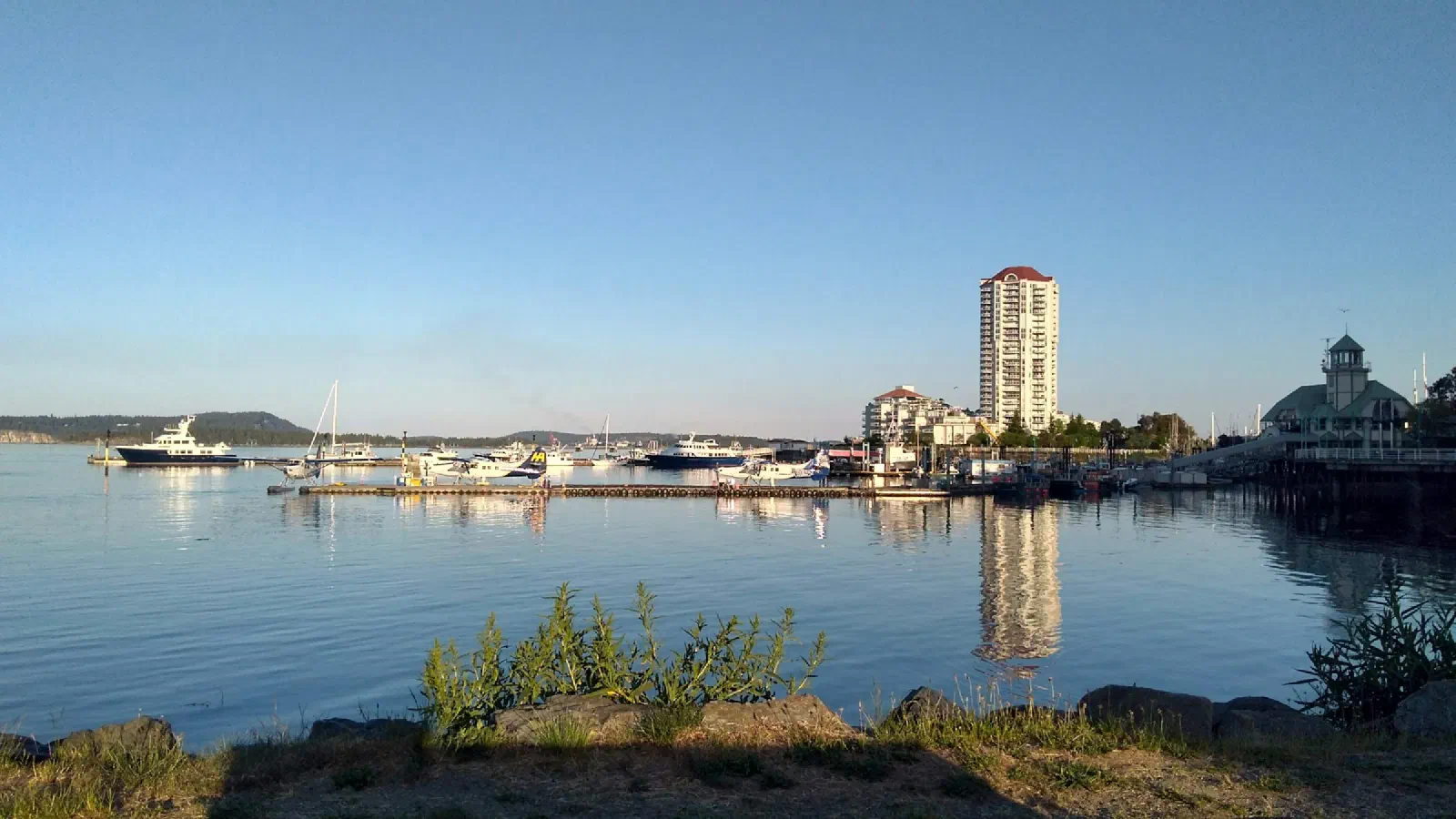
How long-distance moves work from the Mid-Island
A long-distance move starts or ends on the Mid-Island and leaves the Island, or comes onto it from somewhere far away. It is a different job from a local move. The price is usually based on the weight or volume of your belongings and the distance, not the hours on the clock. You get a delivery window rather than a fixed arrival time, and the coverage for loss or damage matters far more over thousands of kilometres than it does across town.
Mid-Island Moving connects you with a local crew. For moves to the Lower Mainland and often the Interior, that crew may drive the whole way. For Alberta and further, many Island movers pack and load here and a partner van line carries the shipment, with an agent unloading at the other end. Either way is normal. What matters is that the written estimate names who carries your load, the delivery window and the coverage.
The truck ferry leg
Every move off the Island crosses the water first. From the Mid-Island the truck sails from Departure Bay to Horseshoe Bay or from Duke Point to Tsawwassen. Sailings need booking, and the ferry fare for the truck is listed as its own line on the quote.
How the truck is charged depends on its registered weight. A commercial truck over 5,500 kg registered GVW pays by the foot: the BC Ferries fare index effective April 8, 2026 lists $8.00 per foot on both Nanaimo routes for trucks up to 11 feet wide. A 26-foot truck works out to about $208 each way, plus $21 for each adult passenger, which includes the crew. Smaller trucks under that weight pay the standard vehicle fare of $89 up to 20 feet, plus $8.00 for each extra foot. Fares change, so check BC Ferries or ask your mover for the current figure. For the full cost picture, see moving costs in Nanaimo.
The crew is paid while it waits in the lineup and sails, so the ferry adds time as well as the fare.
Moving to the Lower Mainland
Route: Departure Bay to Horseshoe Bay for the North Shore, Vancouver and Squamish. Duke Point to Tsawwassen for Richmond, Delta, Surrey, Langley and the Fraser Valley. Ladysmith and Cedar are closest to Duke Point.
Considerations: this is the shortest off-Island move, and it is usually done in a single day by the same crew and truck. Many movers still price it as a flat rate, or as hours plus travel and ferry, rather than by weight. Downtown towers and many stratas need a booked freight elevator and a move window, so book both ends as soon as you have a date. Month-end and summer weekends fill sailings and crews first.
Moving to the Interior and the Okanagan
Route: across on the ferry, east on Highway 1 to Hope, then over the Coquihalla to Merritt and Kamloops, or across the Okanagan Connector to Kelowna, Vernon and Penticton.
Considerations: the mountain highways bring winter weather and the occasional closure, so a winter move needs slack in the schedule. A dedicated truck can make the trip quickly: one Lower Mainland mover publishes “often next day” for Interior BC and the Okanagan, and one BC long-distance mover offers next-day dedicated delivery from Vancouver Island and the Thompson–Okanagan for an extra charge. The same BC mover’s standard shared service quotes three to seven business days within British Columbia. From the Island, add the ferry crossing to either figure.
Moving to Alberta: Calgary and Edmonton
Route: across on the ferry, then east over the mountain passes. Calgary is usually reached on the Trans-Canada through the Rockies. Edmonton is reached through the Interior and on to the Yellowhead, or by way of Calgary.
Considerations: this is the most common interprovincial move from the Mid-Island, in both directions. It is more than a day’s drive for a loaded truck, and drivers work under hours-of-service limits. Published windows from BC movers vary with the service:
| Service (published by BC movers) | Typical window to Alberta |
|---|---|
| Dedicated truck from Vancouver to Calgary or Edmonton | Two to three days |
| Standard shared load within Alberta, after pickup | Seven to fourteen days |
Published by individual Lower Mainland movers, November 2026. From the Island, add the ferry crossing. Not a quote: your written estimate states your delivery window.
Moving further east or to the United States
Route: east across the Prairies to Saskatchewan, Manitoba, Ontario and beyond, almost always on a van line or a long-distance carrier. Moves to the US cross the border on the mainland after the ferry.
Considerations: distance turns the move into a logistics job. One national mover publishes that most cross-Canada moves take 7 to 14 days and that Vancouver to Toronto runs 9 to 22 days, once loading, shared-load scheduling and weather are counted. A Lower Mainland mover running dedicated trucks publishes about seven to ten days to Ontario and Quebec. For a US move, there is customs paperwork as well as distance, so ask the mover how they handle the inventory and the border crossing. Delivery windows for US moves vary too much to give a general figure; your written estimate states it.
Shared load or dedicated truck
Most long-distance moves in Canada travel as a shared (consolidated) load. Your belongings share a trailer with other households heading the same way, and the truck makes several pickups and drops along the route. It costs less, but the delivery date is less certain, and the window is wider.
A dedicated truck carries only your household, door to door. It costs more but has a firmer date and fewer handling points. For a big house, a tight possession date or fragile pieces, ask for both prices.
Whichever you choose, keep a bag of documents, medication, chargers and enough clothes for the whole delivery window with you, not on the truck.
Binding and non-binding estimates
Long-distance quotes come in two kinds. Check which one you have before you sign:
- Binding estimate. The price is fixed for the inventory listed. If you add items, the price changes, so list everything.
- Non-binding estimate. The final bill is based on the actual weight or volume on moving day and can come in higher than the estimate.
An accurate inventory is what makes either one hold. A walkthrough, or a video call room by room, gives the mover what it needs, and anything you forget to mention can be added on the day.
Van-line agents, independents and brokers
Three kinds of company quote long-distance moves, and it pays to know which one you are talking to:
- A van-line agent is a local mover affiliated with a national van line. The local crew packs and loads, the van line carries the shipment across the country, and another agent of the same van line unloads at the destination.
- An independent mover runs its own trucks and crews. Many drive to the mainland and Alberta themselves, and some go further.
- A broker sells the move and passes it to another company to carry. Some brokers are reputable, but you may not know who will turn up on moving day.
To check who actually hauls your load, ask for the name of the carrier in writing, and make sure the same name appears on the bill of lading, the legal document you sign when the truck is loaded. Ask for a certificate of insurance and WorkSafeBC coverage, and ask whether the company is a member of the Canadian Association of Movers. A large deposit before the move is booked, especially in cash, is a red flag.
For a full checklist (Canadian Association of Movers membership, WorkSafeBC clearance and common scams), see how to check a BC mover is legit.
Storage between possession dates
Possession dates rarely line up on a long move. If the new home is not ready when the truck would arrive, say so when you ask for a quote. Short gaps can sometimes fit inside the delivery window. Longer gaps need storage, either here on the Island before the truck leaves or at the destination before final delivery. Storage is priced separately, usually by the month, and some long-distance movers include a short period of storage with the move. Either way, it is cheaper to plan storage up front than to arrange it when the truck is already on the road.
Valuation: what the mover pays if something is damaged
Every moving contract in Canada includes a basic level of coverage called released valuation. According to the Canadian Association of Movers, released valuation limits the mover’s liability to $0.60 per pound ($1.32 per kg) per article for household goods under provincial conditions of carriage. A 100 lb table damaged beyond repair would pay $60, even if it cost $1,000 to replace.
Replacement value protection costs extra and covers far more: if a damaged item cannot be repaired, it is replaced at today’s price. The Canadian Association of Movers notes that it is limited by the value you declare, with a minimum of $10.00 per pound multiplied by the weight of the shipment. Most homeowner policies do not cover goods in a moving truck, so check yours before choosing.
| Coverage | What it pays | Cost |
|---|---|---|
| Released valuation | $0.60 per lb per article | Included |
| Replacement value protection | Repair or replacement at today’s price, up to the declared value | Extra |
Make sure the coverage you chose is written on the bill of lading before the truck leaves.
Moving to Vancouver Island
The same routes work in reverse. Families moving here from Alberta or the Lower Mainland often have a long-distance carrier deliver to storage near Nanaimo, with a local crew doing the final move into the new home in Parksville, Qualicum Beach, Ladysmith or Duncan. For the rest of the planning, from ferries to finding a neighbourhood, read the guide to moving to Vancouver Island.
How to get a long-distance moving quote
- Describe the move Call (778) 762-1026 or use the quote form with both addresses, your dates and the number of bedrooms.
- Walkthrough or video call The crew lead goes room by room to build the inventory, and notes anything heavy, fragile or awkward.
- Written estimate You get the price, whether it is binding, the carrier’s name, the ferry line, the delivery window and the valuation options in writing.
- Book and plan Confirm the pickup date, storage if you need it, and elevator bookings at both ends.
Planning a move off the Island? Call (778) 762-1026 for a free long-distance quote.